
2008/9s blogging era -a trip down memory lane

Here’s a retrospective of the 2008/2009 internet from my point of view.
Feedburner feed counter
Each of the blogs comes with an RSS feed. You can run it through a service called Feedburner and see how many people (or bots) read your blogs every day. It also came with a nice counter you can proudly display in your blog sidebar.
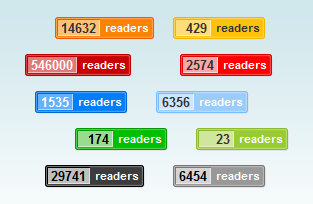
I would check my blog every day to see the updated reader count. It gave me a little ego boost every time it increased.
Entrecard
It was a square ad code we would put into our blog sidebars. This service served as free advertising for bloggers.
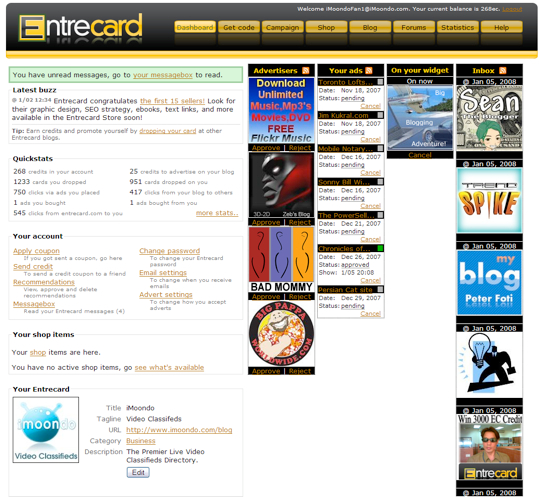
The card had two parts: the ad and the drop button. Every time you visit a blog’s Entrecard widget, you can click the button and drop a virtual “card” which acts as the currency on this service. For every card drop you earn a credit, while the blog owner also earned credits.
At the end of the day, you can check your dashboard to see how many credits you earned. Using the credits you can place your ad on other popular blog. This worked as a discovery platform for blogs.
Read more about Entrecard in this 2008 interview from Problogger
StumbleUpon
It was a browser toolbar for Firefox and other web browsers. By clicking the “Stumble” button on the toolbar, you would be taken to a random and interesting webpage. It was a fun way to find internet viral things. I found out about Codecademy through this service.
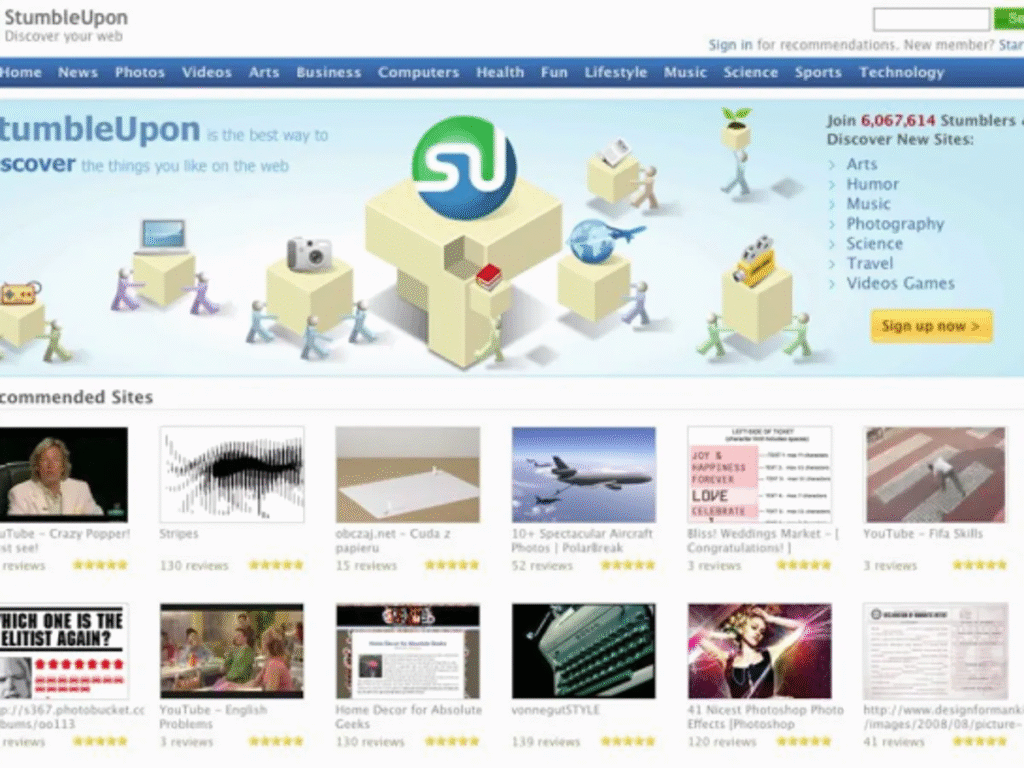
Apart from discovering new pages, we could also submit our own blog pages and hope they get picked up by the StumbleUpon algorithm. It was a common practice to “Stumble” (vote) each other’s blog posts.
Google Page Rank Toolbar
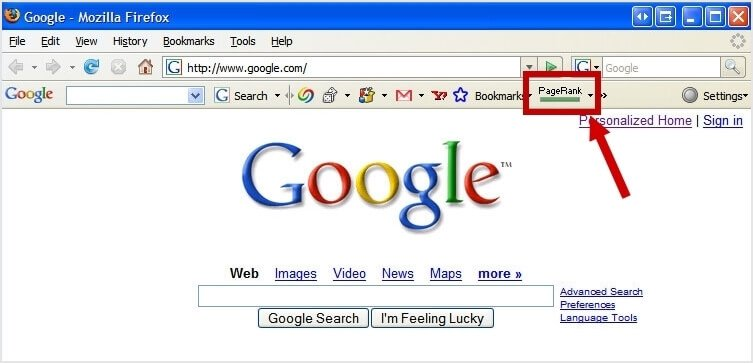
Back then, every website and page had a thing called “Page Rank”. There were toolbars to show your blog’s page rank. Every 3 or 4 months, Google would update its public rankings. My blog had a page rank of 3/10. It was a common practice to sell and exchange links to each other in hopes to gain higher rankings.
Toolbars
As you can see, Toolbars were a thing back in the day.
Before Google Chrome came along, almost every internet service had its own toolbar. Anytime you go to their site, they ask you to install their toolbar to quickly use their app.
As a result, sometimes your browser would end up something like this:
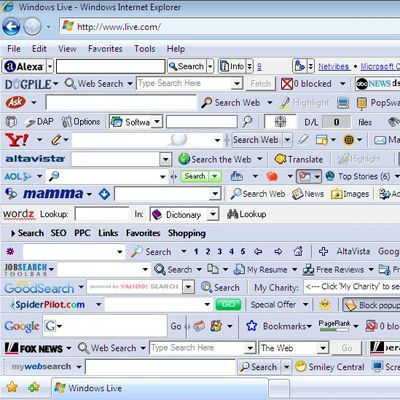
I had a tiny 1024×768 resolution monitor. Now imagine how hard it was to navigate the 2008 era internet through these invasive toolbars?
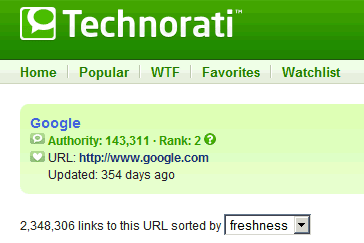
Technorati blog rank
It was yet another blog ranking score you could have. The Technorati widget and toolbar showed where your blog ranks based on popularity. It was very similar to the Google page rank mentioned above.
Alexa site rank
While we are on the topic of site ranks, there was yet another popular site ranking tool. Before Alexa was a voice assistant, it was called a site ranking toolbar:
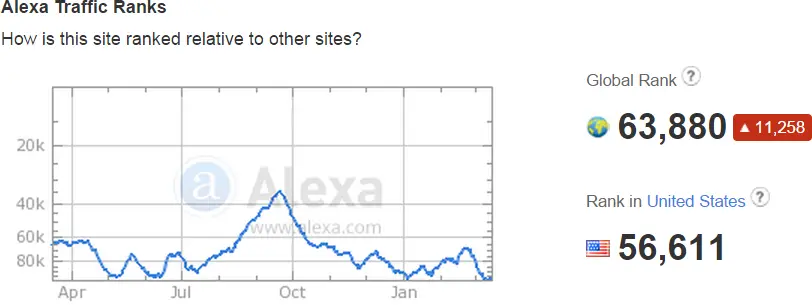
Other than Google’s page rank, the Alexa rank was the next most important factor in blog valuation.
Digg.com
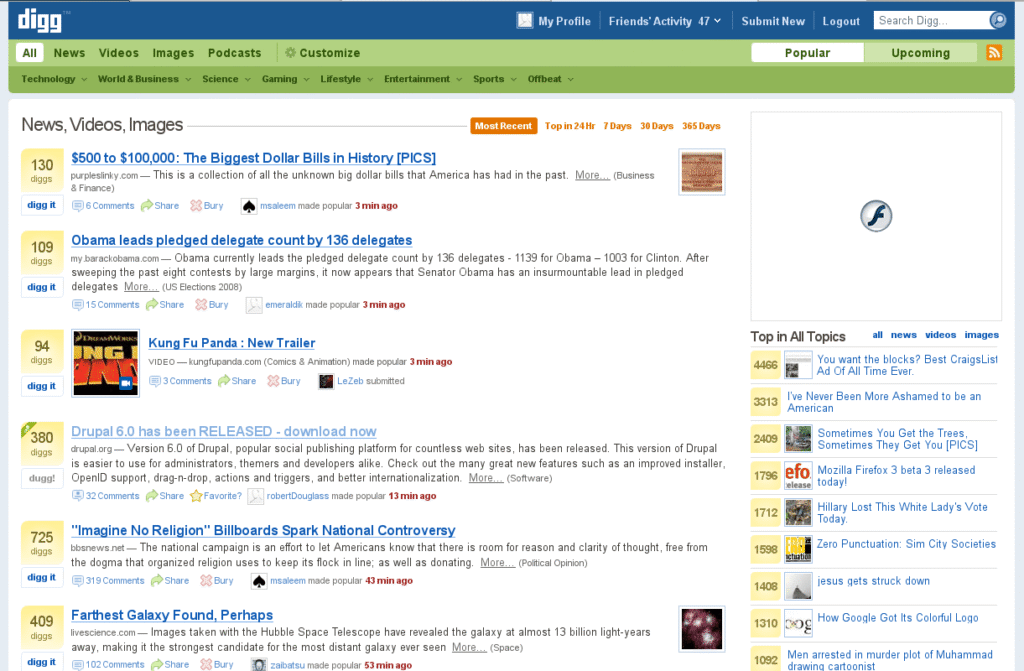
It was a site similar to Reddit, you could submit your blog posts and get diggs (upvotes)
I mostly remember about the Digg the candidates campaign, when Digg featured 2008 US presidential candidates on their site.
Twitter and related services
Back in the day, Twitter was just getting started. It had an API, and it spun a range of services.
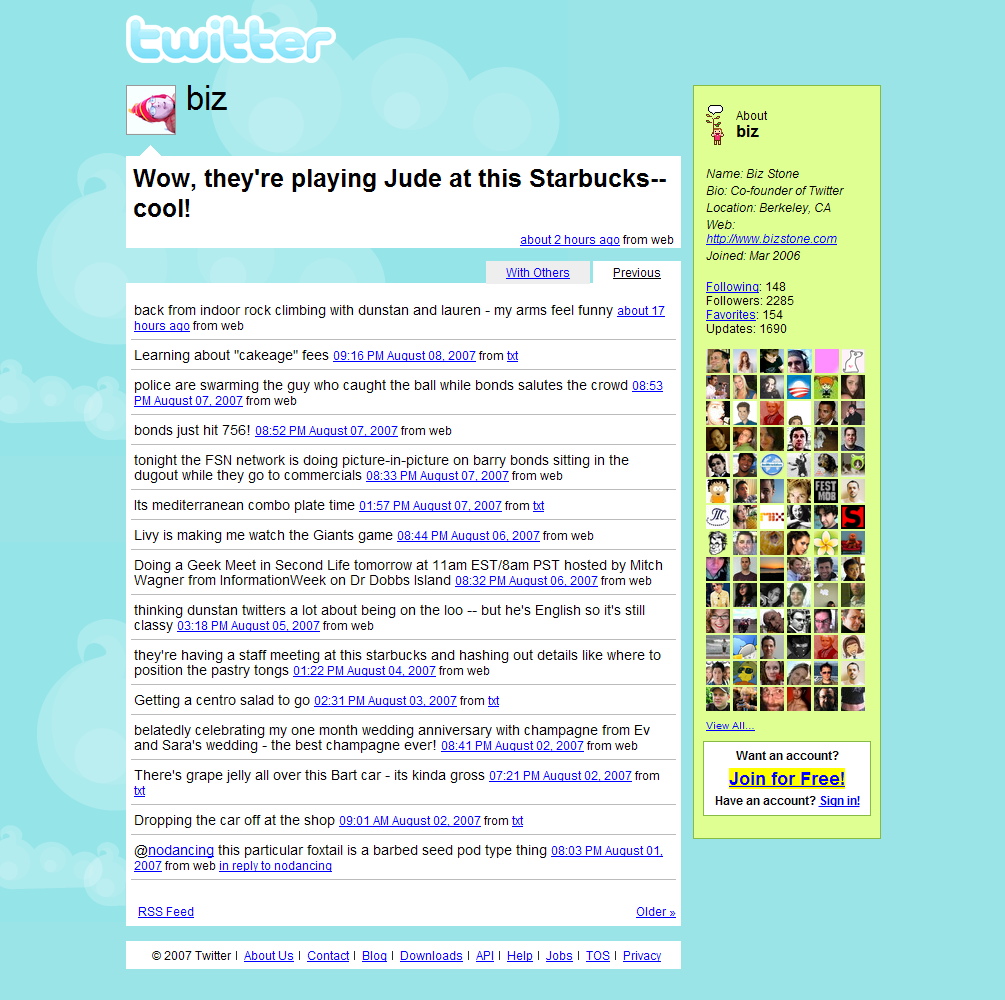
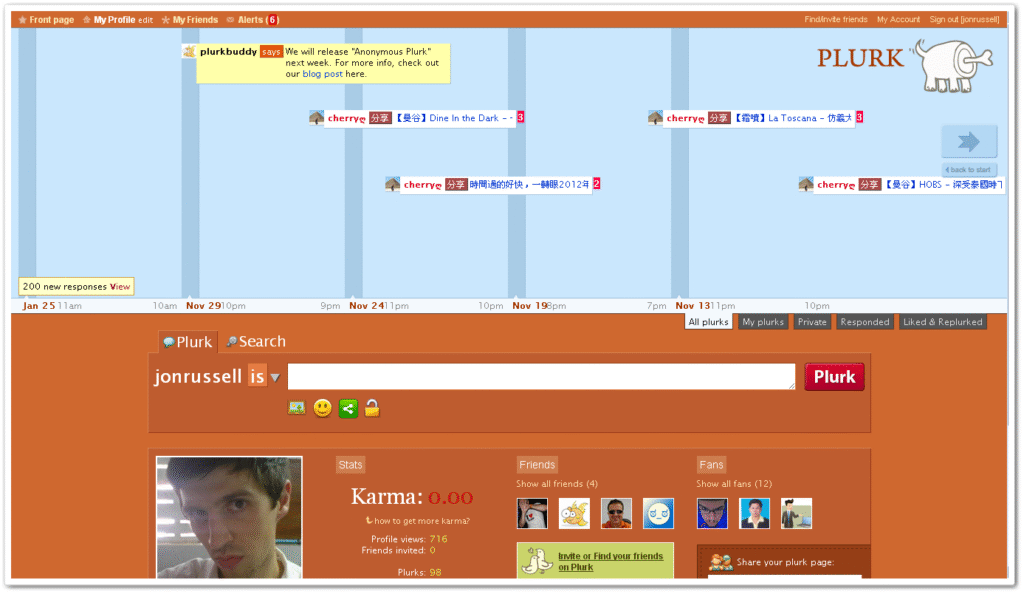
Twitter started as a “Micro” blogging platform. It was not the only one of its kind. Many Twitter copycats came out with their unique twist. One of them was Plurk. I opened accounts in both Twitter and Plurk.
Twitter didn’t have images back then. One such service that popped up solving this problem was TwitPic. You could connect to this site and upload an image to TwitPic and put the image link to Twitter.
TinyURL.com
Twitter had a limit of 140 characters, so long links were an issue. TinyURL was an interesting project -a service that turns long links to tiny URLs:
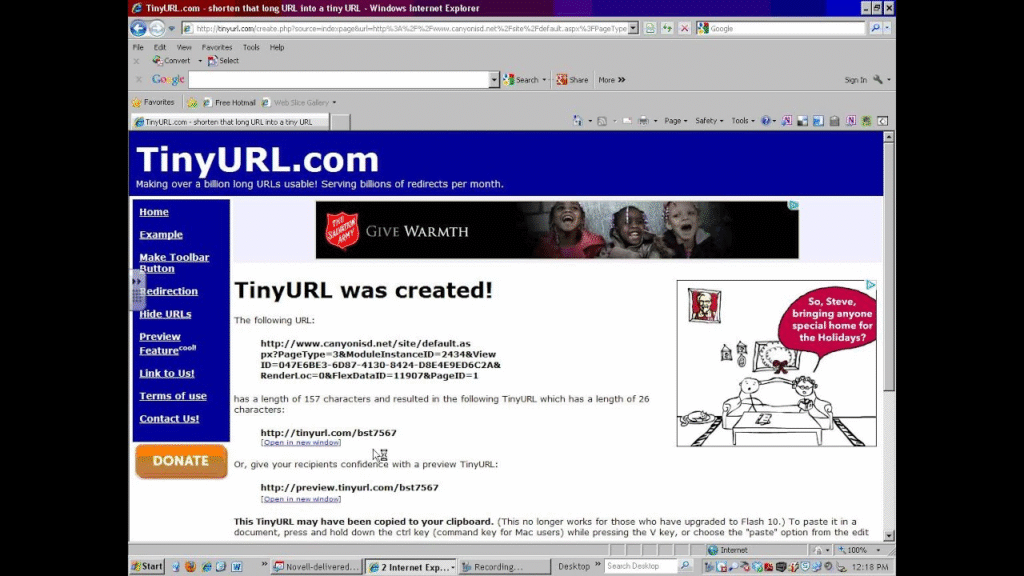
This gave rise to some more services:
- Ow.ly
- Bit.ly
- Ad.ly
And many more.